Data Center Energy Demands Are Reshaping the Power Grid — Here's How
AI data centers are driving unprecedented electricity demand. Discover how utilities, tech giants, and power grids are adapting to the AI energy boom.
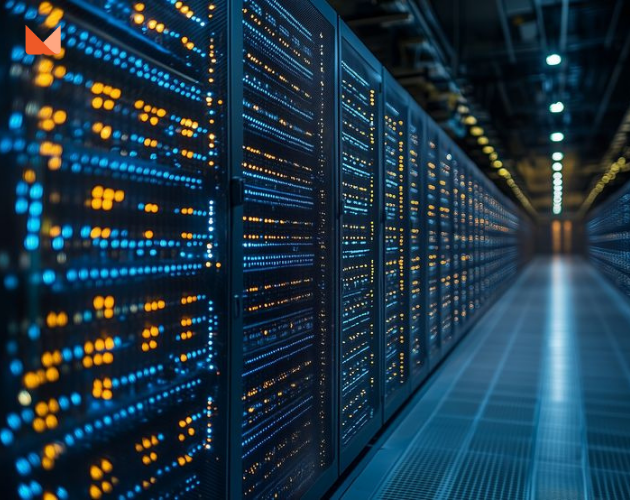
 Opens in a new tab
The AI boom isn't just changing software — it's changing the physical world underneath it. Every ChatGPT query, every AI image generated, every large language model trained consumes real electricity, and the scale has grown so fast that power grids built for a different era are struggling to keep pace. From new nuclear deals to entire towns pushing back against proposed data centers, data center energy demand has become one of the defining infrastructure stories of the decade.
This piece breaks down why AI data centers eat so much power, how utilities and tech giants are responding, and what it means for your electricity bill and the future of the grid.
Why Data Centers Suddenly Need So Much Power
Traditional data centers — the ones running email servers and websites — were power-hungry, but predictable. AI data centers are a different animal entirely.
Key drivers of the surge:
GPU-dense computing: Training and running large AI models requires racks of power-hungry GPUs running at near-constant high utilization, unlike traditional bursty web traffic.
Cooling overhead: Dense GPU clusters generate enormous heat, requiring advanced liquid cooling systems that themselves consume significant energy.
24/7 inference demand: Once a model is deployed, millions of users querying it around the clock creates sustained, not sporadic, power draw.
Scale of buildout: Hyperscalers are constructing data center campuses that can rival small power plants in the electricity they require — some single campuses now request capacity in the hundreds of megawatts to gigawatt range.
How This Is Straining the Grid
Power grids were largely designed decades ago around predictable, gradually growing demand. AI has broken that assumption.
Interconnection queues are backed up: In many regions, new data centers are waiting years for grid connection approval because utilities can't build transmission infrastructure fast enough.
Local grid strain: Areas with dense data center clusters are seeing localized capacity constraints, sometimes forcing utilities to delay other planned developments.
Rising electricity prices: In several U.S. states, residential electricity rates have climbed in areas with heavy data center concentration, sparking public debate over who should bear the cost.
Aging infrastructure: Much of the transmission grid is decades old, and large new loads expose bottlenecks that were previously invisible.
How Tech Companies Are Responding
Facing both public pressure and physical grid limits, major tech companies are taking unusual steps to secure power:
Nuclear power deals — Several major cloud providers have signed agreements to restart or expand nuclear facilities, or invest in next-generation reactors including small modular reactors (SMRs), to secure carbon-free, reliable baseload power.
On-site power generation — Some companies are building natural gas plants or on-site generation directly adjacent to data centers to bypass grid bottlenecks entirely.
Renewable energy purchase agreements — Large-scale solar and wind power purchase agreements (PPAs) remain a major strategy, though intermittency makes them insufficient alone for 24/7 AI workloads.
Efficiency innovation — Custom AI chips, smarter cooling, and workload scheduling are being used to squeeze more computation out of every watt.
What This Means for Everyday Consumers
Electricity bills: In data-center-heavy regions, some ratepayers are seeing costs shift onto residential customers, prompting regulatory scrutiny.
Grid reliability debates: Utilities and regulators are wrestling with how to fairly allocate grid upgrade costs between tech companies and the public.
Local economic trade-offs: Data centers bring jobs and tax revenue, but communities are increasingly negotiating harder for guarantees on water use, noise, and power costs before approving new projects.
Climate implications: The push for fast, reliable power has led to renewed interest in both nuclear and, in some cases, fossil fuel generation — creating tension with corporate carbon-neutral pledges.
What's Next
Expect continued growth in nuclear partnerships, more localized opposition to new data center projects, and utilities increasingly asking tech companies to help fund grid upgrades directly rather than passing costs to the public. Grid modernization — including faster interconnection processes and better long-term planning — is likely to become a bigger political and regulatory priority as AI infrastructure keeps expanding.
Frequently Asked Questions
Q1: Why do AI data centers use so much more power than regular data centers?
AI workloads rely on GPU clusters running at sustained high utilization for training and inference, unlike traditional servers that see variable, often lower average loads. This constant demand, combined with intensive cooling needs, drives much higher energy consumption.
Q2: Are data centers causing electricity prices to rise for regular consumers?
In some regions with high data center concentration, yes — utilities have raised rates or proposed rate structures that shift some grid upgrade costs onto residential customers, which has led to regulatory and public pushback.
Q3: Why are tech companies investing in nuclear power?
Nuclear power provides reliable, carbon-free baseload electricity that can run continuously, which suits the 24/7 power demands of AI data centers better than intermittent renewables like solar or wind alone.
Ready to Scale Your Remote Team?
Workfall connects you with pre-vetted engineering talent in 48 hours.
Related Articles
Stay in the loop
Get the latest insights and stories delivered to your inbox weekly.